
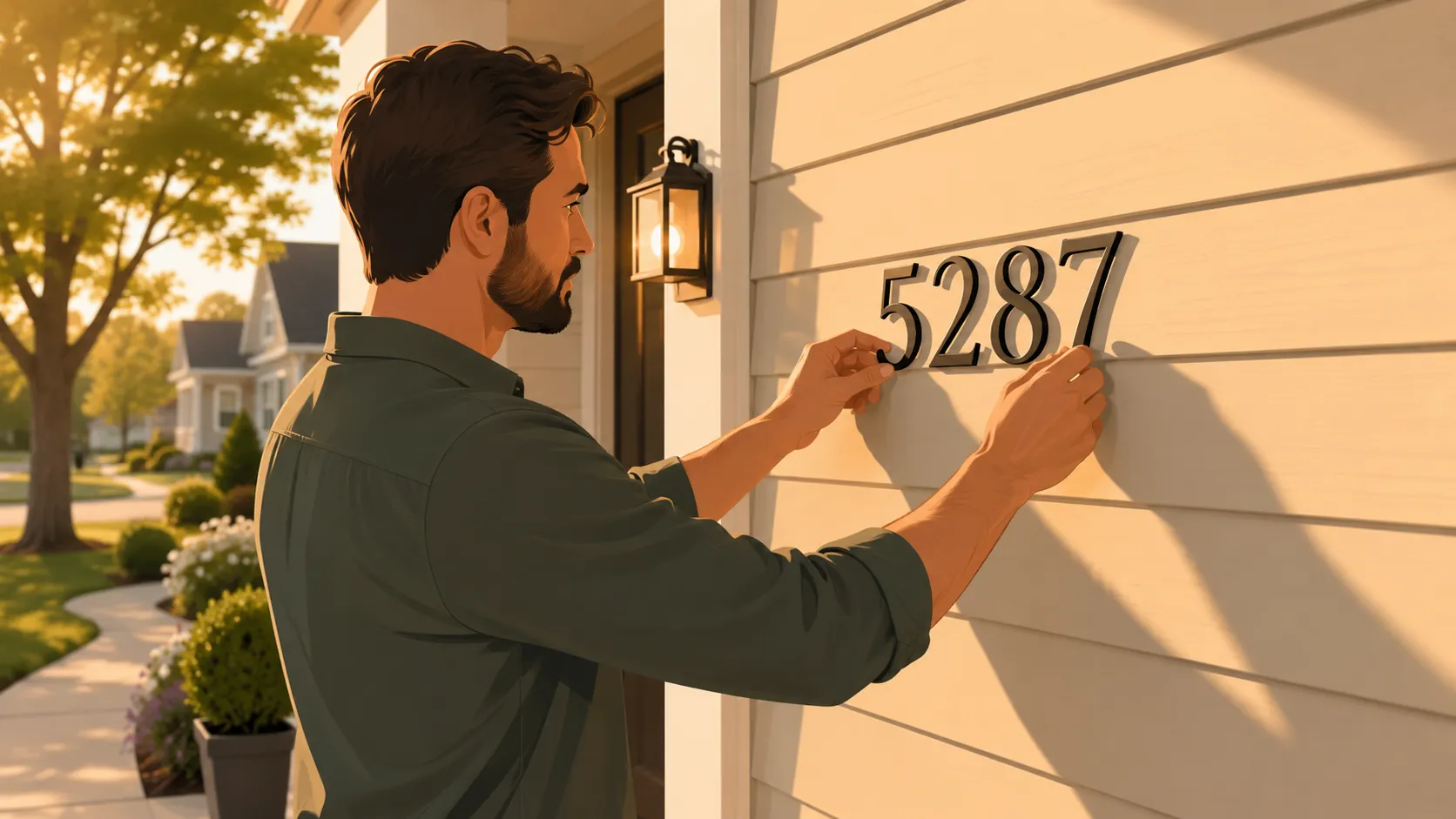
House numbers may seem like a small detail, but they play a surprisingly important role in both the appearance and functionality of your home. Think about it for a moment. When a delivery driver, guest, contractor, or emergency responder arrives at your property, the first thing they look for is the address. If the numbers are difficult to see, hidden behind landscaping, or mounted in an awkward location, finding your home becomes unnecessarily difficult.
Modern homeowners are paying more attention to curb appeal than ever before, and house numbers are part of that visual equation. They act like the signature on a painting. A carefully chosen and properly installed set of numbers can make the front of a home appear more polished, organized, and inviting. On the other hand, crooked or poorly placed numbers can make even a well-maintained property look neglected.
Visibility should always come before decoration. Industry recommendations suggest placing numbers where they are clearly visible from the street and maintaining strong contrast between the numbers and the background. Experts also commonly recommend mounting them near eye level and ensuring adequate nighttime illumination. These simple principles dramatically improve readability for visitors and emergency personnel alike.
Safety, Deliveries, and First Impressions
A clearly marked address isn’t just convenient. It can save valuable time during emergencies. Ambulance crews, firefighters, and police officers rely on visible addresses to locate homes quickly, especially after dark. At the same time, clearly displayed numbers reduce missed deliveries and help visitors avoid frustration when searching for your property.
Understanding How Vinyl Siding Behaves
Before drilling a single hole, it’s essential to understand what makes vinyl siding different from brick, wood, stucco, or fiber cement. Vinyl siding is designed to move. It expands when temperatures rise and contracts when temperatures fall. This movement is completely normal and is built into the siding system.
Many homeowners assume siding is rigid and permanent. In reality, each panel is intended to “float” slightly. This flexibility prevents cracking and allows the material to adapt to changing weather conditions throughout the year. Some experts note that vinyl siding can expand or contract significantly across long panel lengths, making proper installation methods critical.
Expansion and Contraction Explained
Imagine a railroad track on a hot summer day. Engineers leave expansion gaps because metal expands in heat. Vinyl siding behaves in a similar way. If a fastener locks the siding too tightly in place, the material can no longer move naturally.
Why Traditional Mounting Methods Can Cause Damage
Driving screws directly through siding and tightening them firmly is one of the most common mistakes homeowners make. When the siding attempts to expand, it becomes trapped around the fastener. The result can be warping, buckling, cracking, or distortion of the panel. Water infiltration may also become a concern if mounting holes are not properly sealed.
Finding the Best Spot for Maximum Visibility
Selecting the ideal location requires balancing visibility, practicality, and appearance. The best location is typically one that faces the street directly and remains unobstructed from common viewing angles. Trees, shrubs, decorative columns, porch furniture, and parked vehicles can all interfere with visibility.
A useful exercise is to stand across the street and look toward your home. Ask yourself: “Could someone identify my address within a few seconds?” If the answer is no, the location may need adjustment.
Choosing a Street-Facing Location
The most effective locations usually include:
| Location | Visibility Rating | Curb Appeal |
|---|---|---|
| Near front door | High | Excellent |
| Garage facade | High | Very good |
| Mounting block beside entry | Excellent | Excellent |
| Mailbox or gate post | Good | Moderate |
| Under deep porch overhang | Poor | Good |
Street-facing surfaces generally provide the best readability. Numbers hidden around corners or behind landscaping reduce effectiveness.
Determining the Ideal Mounting Height
Most visibility experts recommend positioning house numbers approximately 5 to 6 feet above ground level. This height falls naturally within a driver’s line of sight and helps prevent obstruction from vehicles, snow accumulation, or landscaping.
Balancing Functionality and Curb Appeal
A beautiful set of house numbers should complement the architecture of the home rather than compete with it. Think of house numbers as jewelry for your exterior. They should enhance the overall design while remaining highly functional.
Modern homes often pair well with sleek aluminum numbers and minimalist fonts. Traditional homes may benefit from bronze finishes, serif fonts, or decorative plaques. Regardless of style, readability should remain the top priority.
Matching Numbers to Home Architecture
Material selection matters because vinyl siding is relatively lightweight. Aluminum, stainless steel, and high-quality composite materials tend to perform well without placing excessive strain on the siding. Heavier materials may require additional support structures.
Creating Strong Color Contrast
Contrast is one of the most important factors affecting readability. Dark numbers on light siding and light numbers on dark siding are generally the easiest combinations to read. Poor contrast reduces visibility during both daytime and nighttime conditions.
Choosing the Right House Numbers
The size, material, and style of your house numbers influence both appearance and functionality. Choosing numbers solely based on looks often leads to poor visibility.
Size Recommendations Based on Viewing Distance
Industry guidance generally suggests:
| Distance from Street | Recommended Number Height |
|---|---|
| Under 40 feet | 4–6 inches |
| 40–80 feet | 6–8 inches |
| Over 80 feet | 8–10 inches |
Larger numbers improve readability and make your address easier to locate quickly. Homes with long driveways particularly benefit from oversized numbers.
Materials That Work Best on Vinyl Siding
Lightweight materials tend to perform best, including:
- Powder-coated aluminum
- Stainless steel
- UV-resistant composite materials
- High-quality acrylic
These materials resist corrosion, remain lightweight, and require minimal maintenance over time.
Choosing Mounting Methods That Won’t Damage the Siding
The installation method is arguably more important than the numbers themselves. Selecting the wrong attachment system can shorten the lifespan of your siding and create costly repairs.
Vinyl Siding Hooks and Clips
For lightweight numbers, vinyl siding clips provide a no-drill solution. These clips slide into siding seams and support small decorative elements without restricting siding movement. This method preserves the siding and eliminates concerns about water intrusion.
Mounting Blocks
Mounting blocks are often considered the professional solution. These specially designed accessories create a flat mounting surface while allowing the siding to continue moving independently. They provide excellent support and a clean finished appearance.
Direct Fastening Done Correctly
If direct fastening is necessary:
- Drill oversized holes in the vinyl.
- Anchor screws into solid backing.
- Avoid overtightening.
- Leave room for expansion.
- Seal penetrations appropriately.
This method allows the siding to move naturally while keeping the numbers securely attached.
Tools That Make Placement More Accurate
Accurate placement separates a professional-looking installation from an amateur one. Fortunately, achieving precision doesn’t require expensive equipment.
Measuring and Marking Tools
Useful tools include:
- Tape measure
- Carpenter’s pencil
- Laser level
- Bubble level
- Combination square
- Painter’s tape
Painter’s tape is particularly useful because it creates temporary alignment guides without damaging the siding surface.
Templates and Alignment Guides
Many modern house number kits include templates. These guides help maintain consistent spacing and reduce installation errors. Templates are especially valuable when installing floating numbers or custom layouts.
How to Keep House Numbers Straight and Even
Crooked house numbers immediately attract attention for all the wrong reasons. Even slight alignment errors can make an otherwise attractive home appear unprofessional.
The easiest method is creating a temporary reference line using painter’s tape and a level. Once the tape is perfectly straight, use it as a visual guide throughout installation.
Spacing Techniques
Consistency matters more than exact measurements. Equal spacing creates visual harmony and improves readability. Dry-fitting numbers before drilling allows you to evaluate spacing and make adjustments. Professionals often recommend laying out the entire address with tape before making any permanent holes.
Preventing Moisture Problems Around Fasteners
Water is one of the biggest threats to exterior wall systems. Although vinyl siding sheds water effectively, improperly sealed penetrations can allow moisture to reach underlying materials.
Proper Sealing Methods
When fasteners penetrate siding:
- Use exterior-grade sealant.
- Seal around screw penetrations.
- Inspect seals annually.
- Replace deteriorated caulk promptly.
A small amount of preventive maintenance can prevent significant repair expenses later. Experts consistently identify water infiltration as one of the most common installation-related problems.
Lighting Considerations That Improve Visibility at Night
House numbers are often needed most after sunset. Deliveries, visitors, and emergency services frequently arrive when natural light is limited.
Exterior Lighting Strategies
Effective options include:
| Lighting Type | Visibility Benefit |
|---|---|
| Porch light | Good |
| Downlight | Excellent |
| Spotlight | Excellent |
| Backlit numbers | Outstanding |
| Solar illumination | Very good |
Proper lighting should illuminate the numbers without creating glare. Downlighting frequently produces the most balanced results.
Illuminated and Reflective Numbers
Reflective finishes and LED-integrated house numbers continue gaining popularity because they dramatically improve nighttime readability. Experts recommend maintaining strong contrast and sufficient illumination levels to ensure the address remains legible from the street. Warm color temperatures between 2700K and 3500K often provide an ideal balance between visibility and aesthetics.
Common Mistakes That Can Leave the Siding Warped or Loose
Many installation problems stem from rushing through the planning process. Avoiding a few common mistakes can dramatically improve results.
The most damaging errors include:
- Tightening screws directly against siding
- Ignoring expansion and contraction
- Choosing low-contrast numbers
- Installing numbers behind landscaping
- Mounting numbers too high or too low
- Failing to weatherproof fastener penetrations
- Skipping alignment checks
- Using weak adhesives on textured vinyl surfaces

Keegan Sorrell is a 35-year-old American blogger and digital content specialist from Asheville, North Carolina. His background includes writing in-depth guides covering residential design, outdoor living, and property maintenance for online audiences. Through his work with residentialspaces.xyz, he focuses on producing accurate, engaging, and well-researched content that supports both homeowners and industry readers while maintaining high editorial standards.