
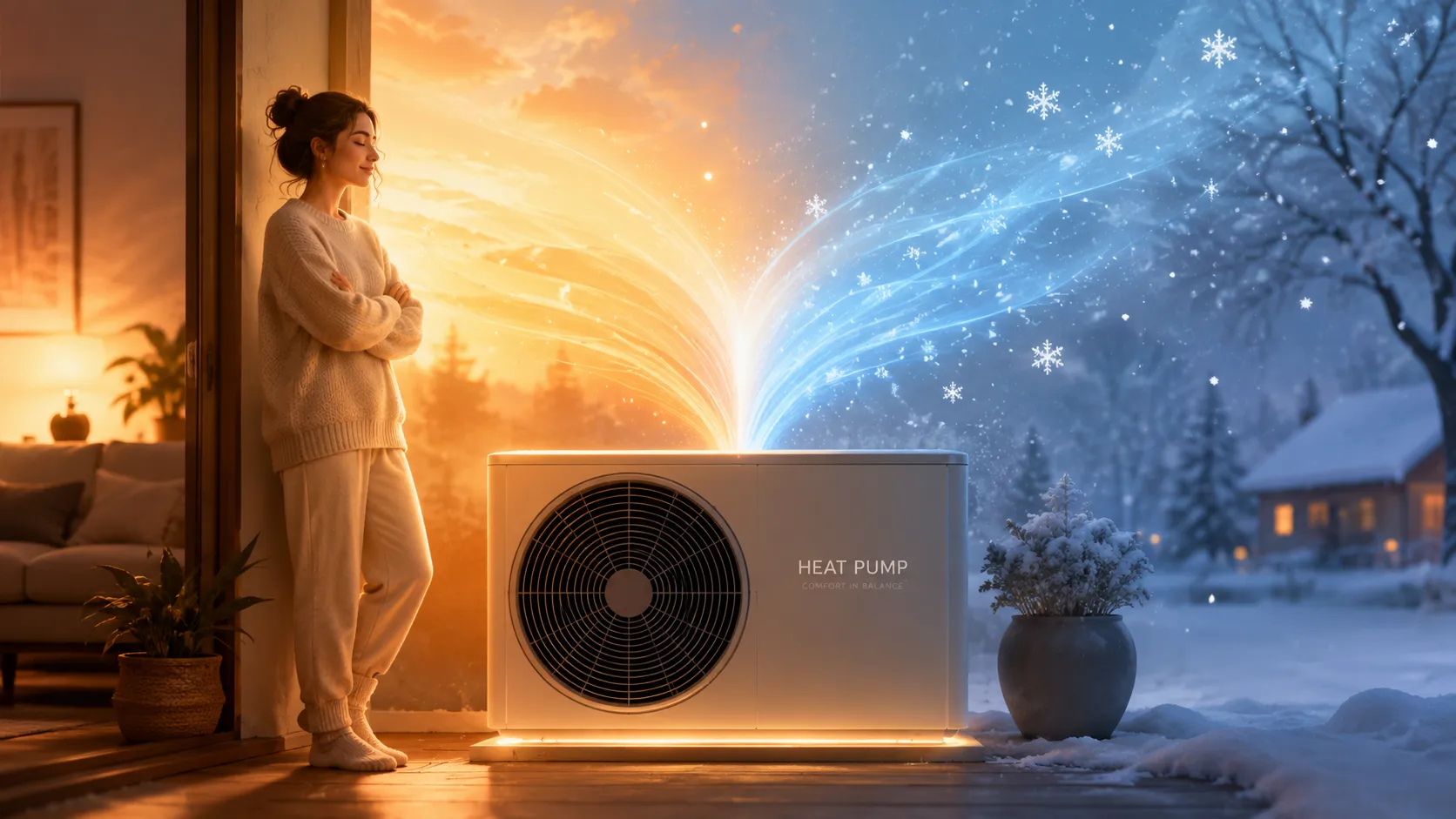
Backup heating exists because heat pumps are not always capable of meeting heating demand on their own. During periods of extremely cold weather, rapid temperature changes, or defrost cycles, the heat pump may require assistance. Most systems include electric heat strips or a secondary heating source specifically for this purpose. These supplemental heating elements ensure comfort even when outdoor conditions become challenging. HVAC manufacturers and contractors consistently identify auxiliary and emergency heat as critical components that protect indoor comfort during cold-weather operation.
What Is Emergency Heat on a Heat Pump?
Emergency heat is a thermostat setting designed to provide heating when the primary heat pump system cannot function properly. Unlike normal heating operation, emergency heat bypasses the outdoor heat pump unit and relies entirely on the backup heating source. In most systems, that backup source consists of electric resistance heat strips installed inside the air handler. Some dual-fuel systems may use a gas furnace instead. Think of emergency heat as the spare tire in your car. You do not drive on the spare tire every day, but it becomes extremely valuable when the main tire fails. The same principle applies to emergency heat. It exists to maintain indoor comfort when the primary heating system is damaged, frozen, malfunctioning, or unable to operate safely.
How Emergency Heat Mode Functions
When emergency heat is activated, the thermostat effectively tells the system to stop relying on the outdoor heat pump. The backup heat source becomes the sole provider of warmth. Because electric resistance heat converts electricity directly into heat, it can warm the home regardless of outdoor temperatures. The downside is efficiency. Emergency heat generally consumes far more electricity than a functioning heat pump, making it one of the most expensive heating modes available.
Why Heat Pumps Switch to Emergency Heat Mode
There are several reasons why a homeowner may need to switch to emergency heat. The most common cause is mechanical failure. If the outdoor heat pump stops operating because of a compressor issue, refrigerant problem, electrical fault, or severe ice buildup, emergency heat can maintain indoor temperatures until repairs are completed. Another reason involves severe winter weather. While modern cold-climate heat pumps can perform impressively in freezing temperatures, certain conditions can still overwhelm the system. Heavy ice accumulation, frozen components, or storm-related damage may prevent normal operation. Emergency heat serves as a temporary solution during these situations. The goal is not long-term heating but rather maintaining safety and comfort until the primary system can return to service.
Equipment Failures and System Problems
Common failures that may justify emergency heat include:
- Outdoor unit not running
- Compressor malfunction
- Refrigerant leaks
- Ice-covered coils
- Electrical component failure
- Damaged fan motors
If these issues occur during winter, emergency heat can prevent indoor temperatures from dropping to unsafe levels while waiting for professional HVAC service.
The Difference Between Auxiliary and Emergency Heat
One of the most confusing aspects of heat pump ownership is understanding the distinction between auxiliary heat (Aux Heat) and emergency heat (EM Heat). Although both rely on the same backup heating source in many systems, they operate differently.
What Auxiliary Heat Does
Auxiliary heat is designed to assist the heat pump automatically. The thermostat activates it whenever additional heating capacity is needed. This commonly happens during extremely cold weather, when the thermostat setting is raised significantly, or when the system enters a defrost cycle. Auxiliary heat works alongside the heat pump rather than replacing it.
What Emergency Heat Does
Emergency heat disables or bypasses the heat pump and depends entirely on the backup heat source. It is usually activated manually through the thermostat and is intended for system failures or special circumstances where the heat pump cannot operate.
Side-by-Side Comparison
| Feature | Auxiliary Heat | Emergency Heat |
|---|---|---|
| Activation | Automatic | Usually Manual |
| Heat Pump Running | Yes | No |
| Purpose | Supplemental heating | Backup during failure |
| Energy Efficiency | Lower than heat pump | Lowest efficiency |
| Typical Use | Cold weather assistance | Equipment malfunction |
| Cost Impact | Moderate increase | Significant increase |
This distinction is critical because many homeowners mistakenly assume both settings are interchangeable. They are not. Using emergency heat unnecessarily can substantially increase utility bills.
Weather Conditions That Trigger Backup Heating
Weather plays a major role in backup heating operation. Heat pumps become less efficient as temperatures decrease because less heat energy is available in the outdoor air. HVAC experts commonly note that many systems begin relying more heavily on supplemental heat when temperatures approach the freezing range, although exact thresholds vary by equipment model.
Extreme Cold Temperatures
During severe cold snaps, the heat pump may struggle to maintain the desired indoor temperature. When this happens, auxiliary heat automatically activates to provide additional warmth. The system works as a team, with the heat pump handling as much of the load as possible while the backup source fills the gap. This process helps prevent indoor temperature drops and keeps occupants comfortable.
Defrost Cycles and Ice Accumulation
Heat pumps periodically enter defrost mode to remove frost and ice from outdoor coils. During these cycles, heating performance temporarily decreases. Auxiliary heat often activates automatically to compensate. Homeowners may notice the thermostat displaying “AUX” during these periods, which is generally normal operation rather than a sign of trouble.
How Emergency Heat Affects Energy Bills
Energy cost is one of the most important considerations when discussing emergency heat. A heat pump is highly efficient because it transfers heat instead of generating it directly. Emergency heat strips, on the other hand, generate warmth through electrical resistance. This process consumes significantly more electricity for the same heating output. HVAC experts consistently warn that emergency heat can dramatically increase monthly utility expenses when used unnecessarily. Imagine carrying groceries home using a bicycle versus carrying them by hand. The bicycle allows you to move more weight with less effort. The heat pump is the bicycle. Emergency heat is carrying everything by hand. Both methods work, but one requires far more energy. Homeowners who accidentally leave their thermostat in emergency heat mode for days or weeks often discover unexpectedly high electric bills at the end of the month.
Why Operating Costs Increase
The higher cost results from:
- Constant electric resistance heating
- No heat transfer efficiency advantage
- Increased power consumption
- Continuous operation during cold weather
For this reason, emergency heat should remain a temporary solution rather than a permanent heating strategy.
Signs the Heat Pump May Not Be Working Properly
Understanding warning signs can help homeowners determine whether emergency heat is necessary. A properly functioning heat pump should maintain comfort without requiring manual intervention most of the time. If problems appear, they often reveal themselves through performance issues.
Common Warning Signals
Watch for these indicators:
- Outdoor unit not operating
- Constant ice buildup
- Unusual noises
- Weak airflow
- Sudden spikes in utility bills
- Home not reaching thermostat setting
- Frequent emergency heat activation
These symptoms may indicate a mechanical issue requiring professional inspection. Ignoring them can lead to reduced efficiency, higher operating costs, and eventual equipment failure.
When to Use Emergency Heat
Emergency heat should be used selectively. The ideal scenario is when the heat pump itself cannot perform its heating function. For example, if a winter storm damages the outdoor unit or the compressor fails unexpectedly, emergency heat can provide temporary protection against freezing indoor temperatures. It is also appropriate when an HVAC technician specifically recommends using emergency heat until repairs are completed. Homeowners should view emergency heat as a temporary bridge rather than a destination. Its purpose is maintaining habitability and preventing damage to the home. Pipes, electronics, and building materials can all suffer when indoor temperatures become excessively low. Emergency heat helps avoid these risks while service appointments are scheduled and repairs are completed.
Appropriate Situations
Use emergency heat when:
- The outdoor heat pump has failed.
- Severe icing prevents operation.
- A technician recommends temporary use.
- Weather-related damage disables the system.
When to Avoid Emergency Heat
Many homeowners mistakenly switch to emergency heat simply because temperatures are cold. In reality, modern heat pumps are designed to operate in cold conditions. Activating emergency heat solely because winter arrives can dramatically reduce efficiency and increase energy costs.
Situations Where It Causes Unnecessary Costs
Avoid emergency heat when:
- The heat pump is functioning normally.
- Auxiliary heat is already operating automatically.
- You want faster heating after adjusting the thermostat.
- Outdoor temperatures are cold but within the heat pump’s operating range.

Keegan Sorrell is a 35-year-old American blogger and digital content specialist from Asheville, North Carolina. His background includes writing in-depth guides covering residential design, outdoor living, and property maintenance for online audiences. Through his work with residentialspaces.xyz, he focuses on producing accurate, engaging, and well-researched content that supports both homeowners and industry readers while maintaining high editorial standards.